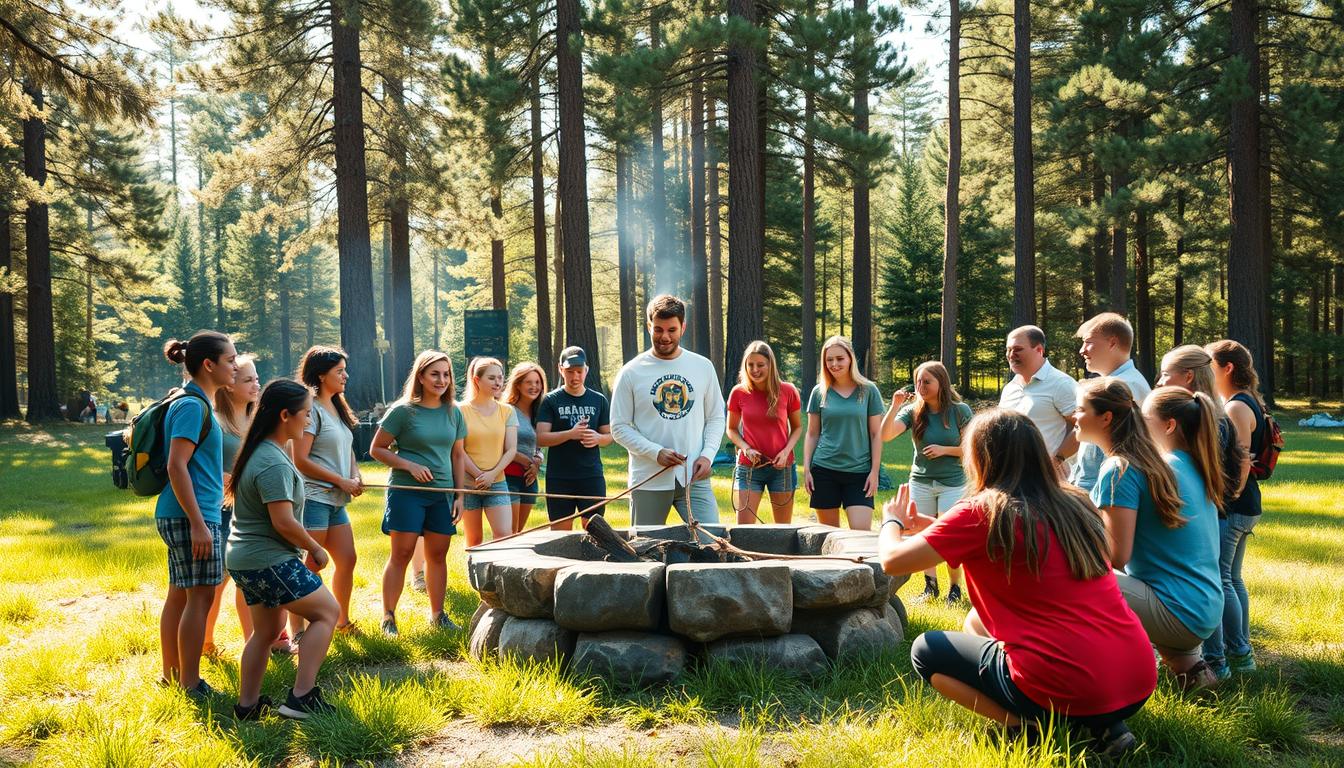
Being a camp counselor is both tough and rewarding. It needs special skills and qualities to make camp fun, safe, and memorable. Good camp counselor training is key to get ready for this role. The American Camp Association’s top 10 tips help understand and meet campers’ needs.
Thank you for reading this post, don't forget to subscribe!It’s important to give summer camp advice to new counselors. This helps them handle the job’s duties and challenges. By learning key skills and strategies, new counselors can make camp a positive place for kids.
Key Takeaways
- Understand the importance of camp counselor training
- Develop strategies for creating a fun and safe camp environment
- Learn effective summer camp advice for new counselors
- Adapt to the needs of campers for a successful experience
- Focus on building strong relationships with campers
Understanding Your Role as a Camp Counselor
As a camp counselor, you’ll care for and guide children. This job is both tough and rewarding. Your main job is to keep campers safe and make sure they have fun.
Key Responsibilities and Expectations
Your job includes leading activities and watching over campers. You also need to offer emotional support when it’s needed. AmeriCamp says a great counselor makes summer camp unforgettable for kids. They lead and help, always looking out for their campers.
Key Responsibilities:
| Responsibility | Description |
|---|---|
| Leadership | Guiding campers through activities and ensuring their participation |
| Safety | Ensuring camper safety procedures are followed at all times |
| Support | Providing emotional support and care to campers as needed |
The Impact You’ll Have on Campers’ Lives
Your influence on campers can be huge. You help them grow leadership skills for counselors and make their summer special. By being a good role model and supportive, you help campers feel confident and make memories that last.
Essential Tips for New Camp Counselors
Starting as a camp counselor is an exciting journey. It will test you and reward you in many ways. Being ready with the right strategies and mindset is key.
First-Week Survival Strategies
The first week at summer camp can feel overwhelming. But, with the right approach, you can do well. Bob Ditter, a licensed clinical social worker, says knowing each camper is important.
One good way is to make a “List of Firsts” chart. It records new experiences for each camper. This helps you connect with them and understand their needs and interests.
Establishing Routines and Boundaries
Setting clear routines and boundaries is vital. It keeps things in order and makes campers feel safe and supported. You should plan out daily schedules for activities, meals, and rest.
Also, make sure to clearly share the rules and expectations. This creates a stable and secure environment for everyone.
Building Confidence in Your Leadership
Being confident in your leadership is essential. It helps you manage your cabin well and adds to the camp experience. Being prepared, organized, and positive is important.
As you grow in your role, your confidence will grow too. This will inspire the campers and improve your leadership skills.
| Tip | Description | Benefit |
|---|---|---|
| Get to know your campers | Create a “List of Firsts” chart | Builds connection and understanding |
| Establish routines | Set daily schedules and clear rules | Creates a sense of security and order |
| Lead with confidence | Be prepared and demonstrate a positive attitude | Enhances leadership and inspires campers |
Camp Counselor Training Essentials
Being a new camp counselor means learning the basics. Good training gets you ready for the job. It also helps you keep campers safe and happy.
Required Certifications and Skills
Camp counselors need first aid and CPR certifications. Skills in outdoor activities like hiking or arts and crafts are a plus. For more info, check out summer camp staff training guides.
Mental and Physical Preparation
Getting mentally and physically ready is key. Start with self-care practices to handle stress. Be ready for camp’s outdoor fun and long days. Remember, self-care for counselors keeps you energized and excited.
What to Pack for Your Camp Experience
Packing right is important for a great camp time. Make a list with outdoor clothes, personal items, and camp-specific gear. AmeriCamp recommends a detailed list and knowing camp activities for a smooth start.
Building Meaningful Relationships with Campers
A great summer camp starts with strong bonds between counselors and campers. These bonds make the camp experience better and help campers grow. Jack Schott, co-founder of The Summer Camp Society, says using kids’ names and making bunk maps helps a lot.
Creating Trust from Day One
Trust is key from the start. Counselors should be consistent, reliable, and really care about their campers. Just knowing and using their names can make a big difference. For more tips on talking to kids, check out our ultimate guide to summer camp.
Respecting Individual Differences
Every camper is special, with their own story and interests. Counselors need to understand and respect these differences. This makes the camp a welcoming place for everyone.
Connecting with Challenging or Reluctant Campers
Some campers might be harder to reach, either because of their personality or adjusting to camp. Counselors can use communication strategies like listening well and showing empathy. Activities that bring people together can also help these campers feel part of the group.
| Strategy | Description | Benefit |
|---|---|---|
| Personalized Attention | Tailoring interactions to individual campers’ needs | Enhanced trust and connection |
| Active Listening | Engaging fully with campers, understanding their concerns | Improved communication and empathy |
| Team Building Activities | Organizing activities that promote teamwork and collaboration | Fosters camaraderie and a sense of belonging |

Communication Strategies for Effective Counseling
As a camp counselor, you play a key role in creating a positive space. Good communication builds trust and helps solve problems. It makes sure everyone has a great time at camp.
Active Listening Techniques
Active listening is a must for camp counselors. It lets them really get what their campers need. This means keeping eye contact, nodding, and asking questions to make sure they understand.
| Active Listening Techniques | Benefits |
|---|---|
| Maintaining eye contact | Builds trust and shows interest |
| Asking clarifying questions | Ensures understanding and resolves issues |
Clear Instruction Delivery
It’s important to give clear instructions to campers. Counselors should give short, easy-to-follow directions. They should also show how to do things and check if campers get it. This avoids confusion and keeps the camp running smoothly.
Communicating with Parents and Staff
Talking well with parents and staff is key. Counselors need to share updates and listen to concerns. Working together helps solve problems and meet camper needs. This makes the camp a supportive place for everyone.
Leadership Skills for Outdoor Education
Leading in outdoor education needs special skills. Camp counselors must lead by example and make quick decisions. They also need to mix fun with learning. The Camp Counselor Manual says, “Leadership is not just about giving orders; it’s about inspiring and guiding others.”
Leading by Example in Nature Settings
Counselors should show respect for nature. This sets a good example for campers. It helps create a culture of caring for the environment.
Decision-Making in Unpredictable Environments
Outdoor education can be full of surprises. Counselors need to quickly assess risks and adapt plans. Being flexible and calm is very important.

Balancing Fun and Learning Objectives
A great outdoor education program is fun and teaches something. Counselors should plan activities that are both enjoyable and educational. This keeps campers interested and learning.
“The best learning experiences are those that are enjoyable and challenging.”
This quote shows why mixing fun with learning is key.
Conflict Resolution Techniques for Camp Settings
Effective conflict resolution is key in camps for a great experience. Conflicts can come from different opinions, cultures, or personal issues. Camp counselors need skills to solve these problems fairly and with respect.
Preventing and Addressing Bullying
Bullying is a big problem that can hurt campers for a long time. To stop bullying, counselors should create a place of respect and understanding. Restorative practices, like “circles,” help build good relationships among everyone.
When bullying happens, counselors must act fast and be fair. They should make sure everyone gets a chance to be heard.
Mediating Camper Disagreements
Disagreements among campers are common, but they can be solved in a good way. Counselors should encourage talking openly, listening well, and showing empathy. This helps campers see things from each other’s point of view.
By doing this, counselors help find peaceful solutions. These solutions make camper friendships stronger.
Creating an Inclusive Cabin Environment
An inclusive cabin is important for camper happiness and safety. Counselors should celebrate diversity and respect everyone’s differences. They should make sure all campers feel important.
By making a positive and supportive place, counselors can reduce conflicts. This way, everyone can enjoy the camp experience more.
Team Building Activities That Create Lasting Memories
Team building activities are key for making summer camp unforgettable. They help campers feel part of a community. They also give them memories and skills that last a lifetime. Let’s look at some team building activities for summer camps.
Ice Breakers for New Camper Groups
Ice breaker activities are vital for new campers. They help everyone get to know each other. Here are some fun ice breakers:
- Human Bingo: Make bingo cards with traits or characteristics. Campers interview each other to fill out the cards.
- The Name Game: Each camper shares their name and a fact starting with the same letter as their name.
- Two Truths and a Lie: Campers share two true statements and one false. Guess the lie.
Cooperative Challenges and Games
Cooperative challenges and games promote teamwork and problem-solving. Here are some examples:
- Trust Falls: Campers fall backward, trusting others to catch them.
- Human Knot: Stand in a circle, hands in the center. Grab hands across from you, not next to you. Untangle without letting go.
- Scavenger Hunts: Scavenger hunts need teamwork to find items or complete challenges.
Reflection Activities to Strengthen Bonds
Reflection activities help campers process their experiences. They strengthen bonds formed. Here are some reflection activities:
- Group Discussions: Share experiences and what was learned from team building activities.
- Journaling: Journal thoughts and feelings about camp experiences.
- Creative Projects: Work on creative projects that represent the camp experience, like a mural or poem.
By adding these activities to summer camps, counselors create a memorable experience. It’s supportive and unforgettable for campers.
Camper Safety Procedures and Emergency Protocols
The safety of campers is key. Camp counselors must be ready for any situation. This ensures a safe camping experience.
Daily Safety Routines and Checks
Keeping campers safe is a daily task. It includes headcounts, checking the site for dangers, and teaching emergency steps.
Key daily safety checks include:
- Inspecting equipment and facilities
- Reviewing weather forecasts
- Ensuring camper supervision at all times
Recognizing and Responding to Health Issues
Camp counselors need to spot health problems like dehydration and allergies. Quick action is vital to avoid serious issues.
“The ability to respond effectively in a medical emergency is a critical skill for camp counselors.” – American Camp Association
Emergency Response and Evacuation Procedures
Having a solid emergency plan is essential. It includes knowing exit routes, having first aid kits, and knowing how to call for help.
Effective emergency response involves:
- Staying calm and assessing the situation
- Activating the emergency response plan
- Providing first aid and care until help arrives
Conclusion: Embracing Your Summer Camp Journey
Starting your summer camp journey is exciting. Being a camp counselor is rewarding but needs dedication and patience. This article gives you tips to handle the ups and downs of camp life.
Remember to take care of yourself. This helps you create a safe space for your campers. A happy counselor means a better experience for everyone.
Being a counselor is more than just leading activities. It’s about changing lives. Focus on your well-being and your campers’ needs. This way, you’ll make a lasting impact on their lives.
FAQ
What are the key responsibilities of a camp counselor?
Camp counselors keep campers safe and happy. They lead fun activities and make friends with the kids.
How can I build trust with my campers on the first day?
Be friendly and listen well. Show you care about each camper as an individual.
What are some effective communication strategies for camp counselors?
Listen well and speak clearly. Keep parents and staff updated too.
How can I handle conflicts or disagreements among campers?
Stay calm and listen to both sides. Help them find a solution together. Be ready to step in if needed.
What are some essential team building activities for campers?
Use ice breakers and team challenges. Add activities that help everyone feel connected.
How can I ensure camper safety during activities?
Do safety checks every day. Know the risks and have plans for emergencies.
What kind of training do camp counselors need?
You need training in first aid and CPR. Also, learn about child development and your specific activities.
How can I balance fun and learning objectives in my activities?
Make activities fun and interactive. Make sure they also meet your learning goals.
What are some strategies for self-care as a camp counselor?
Get enough sleep and drink water. Take breaks when you need to. Take care of your own health.
How can I connect with challenging or reluctant campers?
Show empathy and patience. Try to see things from their point of view. Set clear rules and expectations.